

Hear from Our Customers
You’re not looking for a sales pitch. You want to know if there’s mold, where it is, and what to do about it.
That’s what professional mold testing does. We check the areas you can see and the ones you can’t—behind walls, under floors, in crawl spaces. We take air samples and surface samples to identify what type of mold you’re dealing with and how much of it is present.
You get a detailed report that breaks down the findings in plain language. No guessing. No wondering if that musty smell means something serious. Just clear information that helps you make the right call for your home and your family.
Early detection means you catch problems before they spread. Before they affect your health. Before they turn into a bigger repair bill. That’s the difference between a manageable fix and a costly renovation.
We work throughout Bucks County, including Winder Village and the surrounding communities. Our team uses advanced moisture detection tools and proven testing methods to find mold growth that homeowners miss.
Pennsylvania homes—whether they’re older properties or new construction—face unique challenges. Clay-heavy soil, high humidity, poor drainage around foundations. These conditions create the perfect environment for mold to develop in basements, attics, and crawl spaces.
We’ve seen it all. We know where to look, what to test, and how to give you actionable information. No runaround. No unnecessary upsells. Just honest assessment and clear next steps.
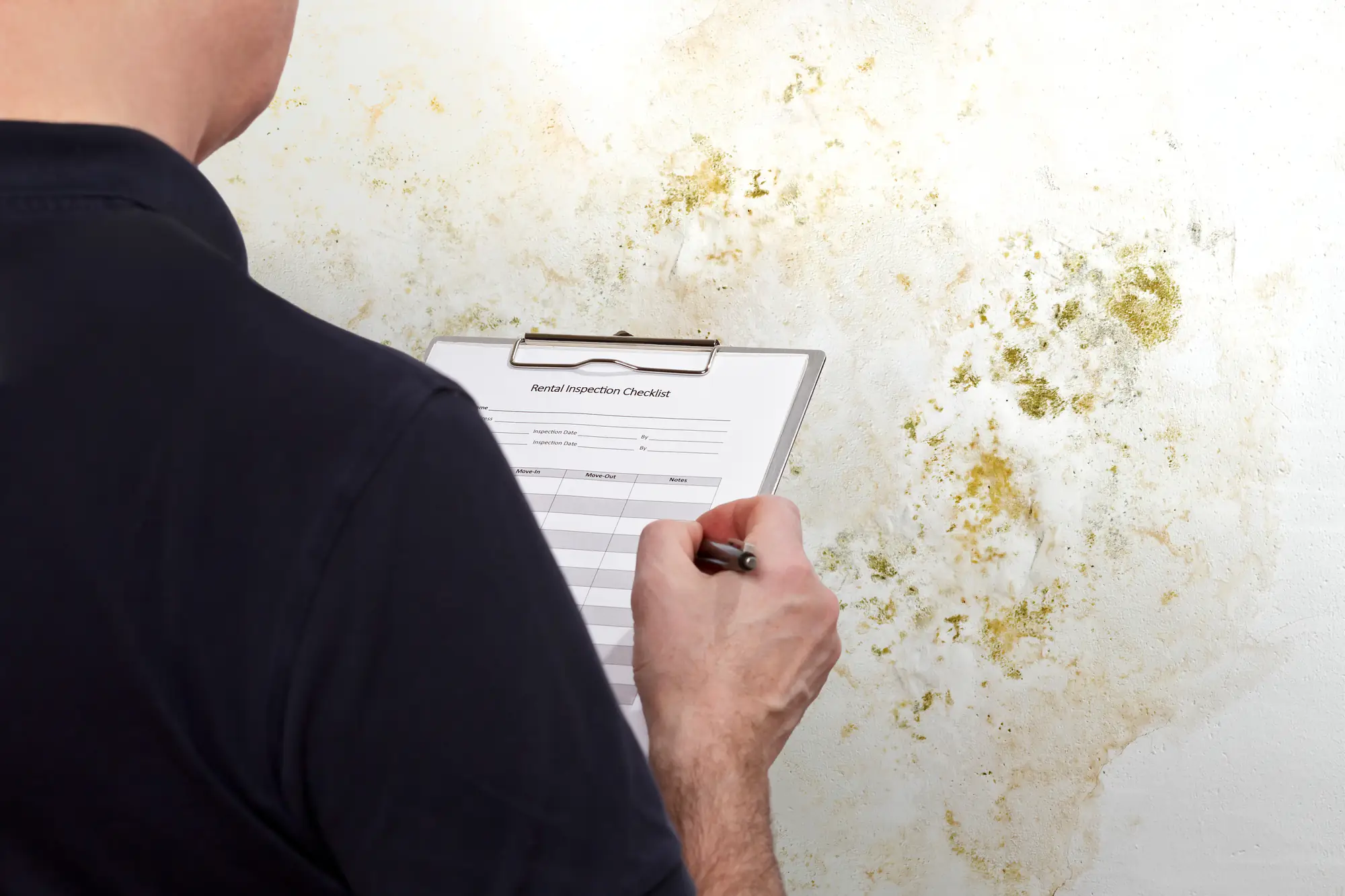
First, we do a visual inspection of your property. We’re looking at the obvious spots and the hidden ones—areas where moisture tends to collect and mold likes to grow.
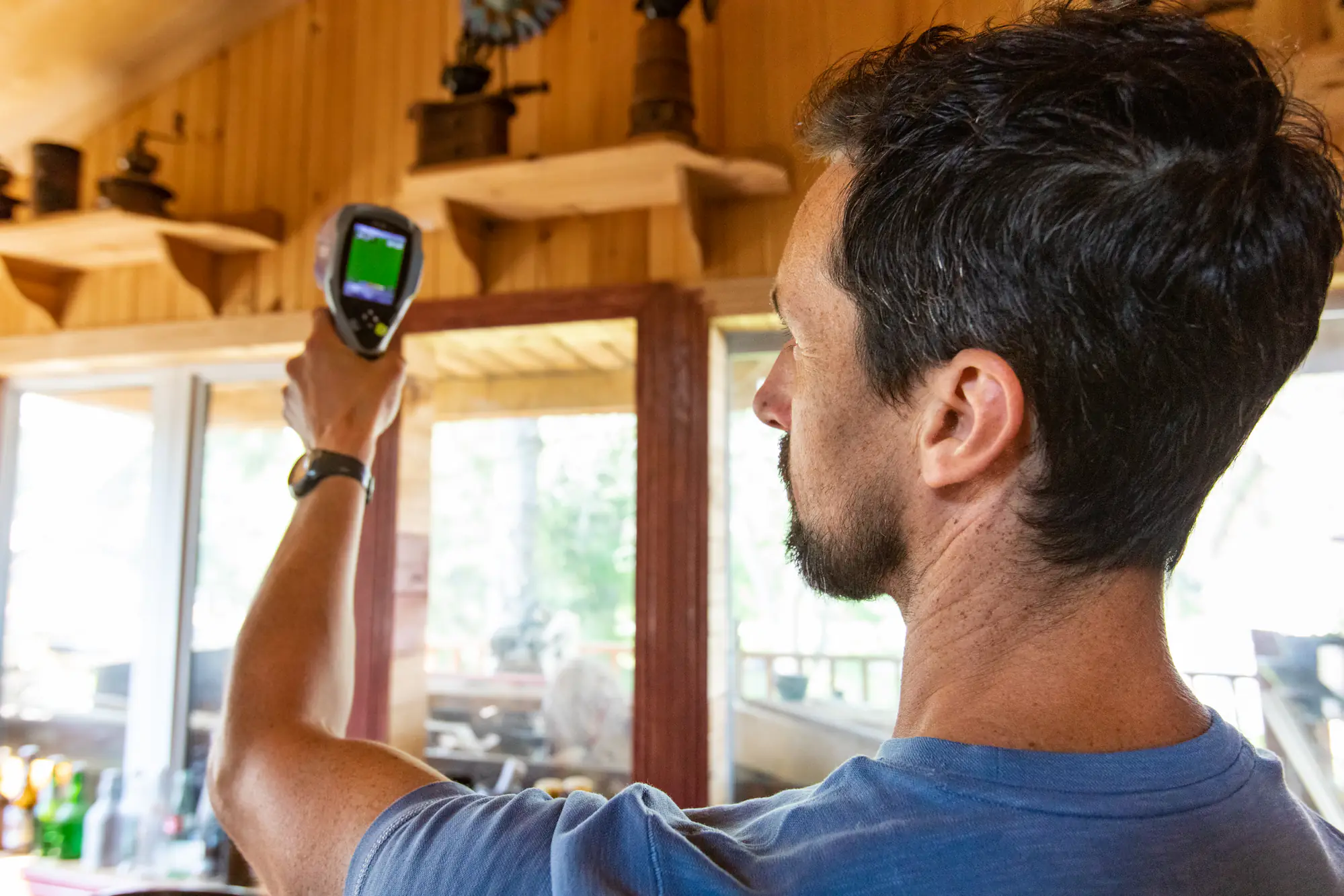
Next, we use moisture detection equipment to identify problem areas. High moisture readings tell us where mold is likely developing, even if you can’t see it yet. We take air samples to measure spore counts in your indoor environment and surface samples from suspected growth areas.
Those samples go to a lab for analysis. You’ll get a report that identifies the specific types of mold present and their concentration levels. We walk you through the findings and explain what they mean for your home.
If remediation is needed, we’ll outline the scope of work and give you a clear plan. If the levels are normal, you’ll have documentation proving your home is safe. Either way, you’re not left wondering.
Ready to get started?
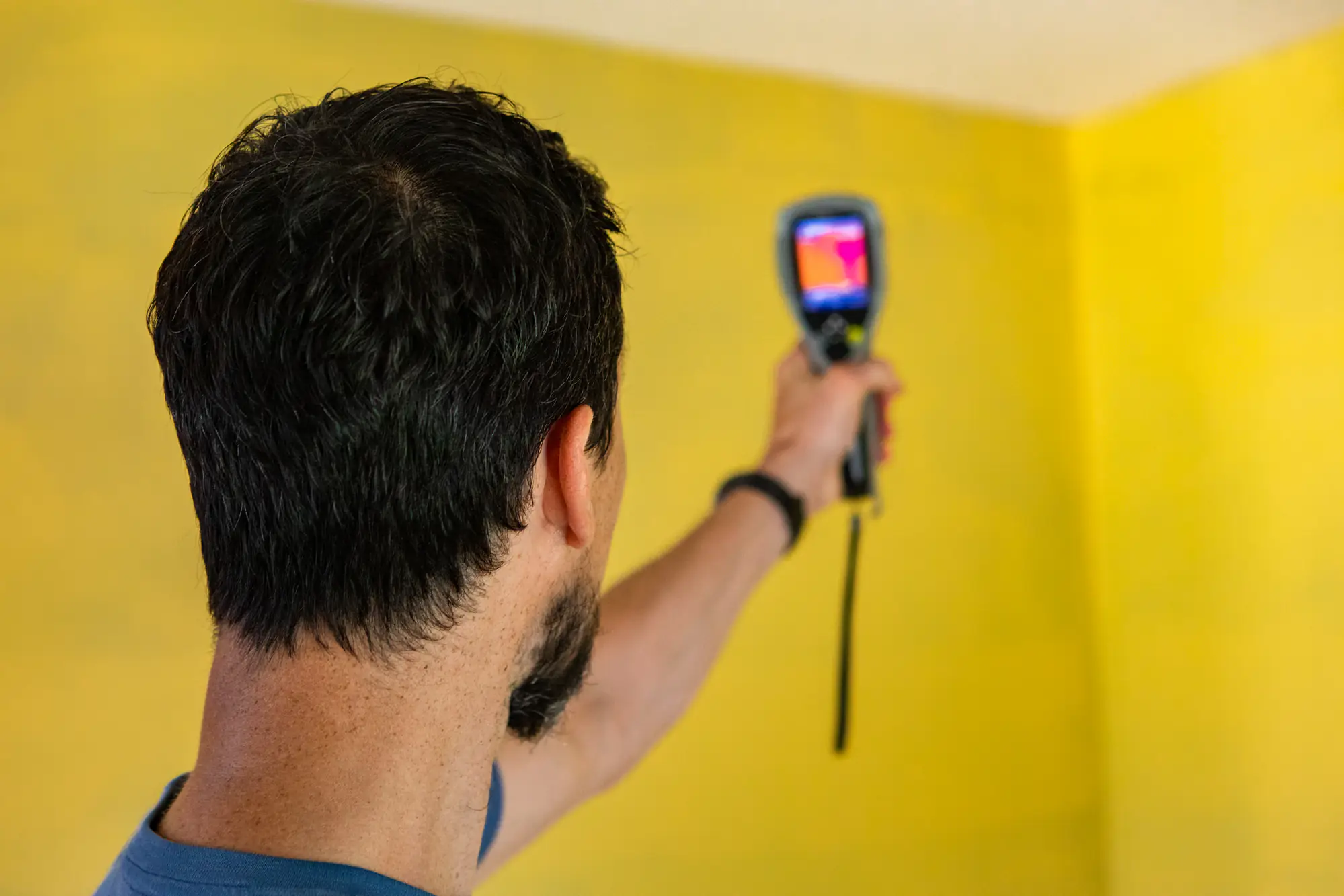
Your mold testing service covers a thorough visual examination of your property, including basements, attics, bathrooms, and any areas with visible water damage or musty odors. We use moisture meters and infrared cameras to detect hidden moisture that indicates potential mold growth.
We collect air samples from multiple rooms to measure airborne mold spore levels. Surface samples are taken from any visible growth or suspicious areas. These samples are analyzed by a certified lab to identify mold species—including black mold—and determine spore counts.
You receive a detailed written report with lab results, photos of problem areas, and our professional assessment. The report includes specific recommendations for remediation if needed, or confirmation that your home’s mold levels are within normal ranges.
In Winder Village and throughout Bucks County, we see common issues like basement moisture from poor drainage, attic mold from roof leaks, and bathroom mold from inadequate ventilation. Your inspection addresses these local concerns with targeted testing in high-risk areas. Most inspections are completed within a few hours, with lab results typically available within 24-48 hours.
Most homeowners in the Winder Village area pay between $300 and $500 for a comprehensive mold inspection. The exact cost depends on your home’s size and how many samples we need to collect.
A basic inspection for a smaller home with one or two areas of concern will be on the lower end. Larger homes or properties with multiple problem areas require more samples and more time, which increases the cost. If you need extensive testing across several rooms or floors, expect to pay closer to the higher end of that range.
That price includes the visual inspection, moisture detection, sample collection, lab analysis, and a detailed report with our findings. You’re not paying extra for the lab work or the report—it’s all part of the service. Some companies charge separately for those items, so make sure you understand what’s included before you commit.
Testing costs less than remediation. If you catch mold early through testing, you’ll spend less on removal than if you wait until the problem spreads. Think of it as an investment in avoiding a bigger bill later.
Musty odors are the most common sign. If you smell something earthy or damp—especially in basements, bathrooms, or closets—that’s a red flag. Mold produces volatile organic compounds that create that distinctive smell, even when you can’t see visible growth.
Visible discoloration on walls, ceilings, or floors is another clear indicator. Black, green, or white patches that look fuzzy or slimy are likely mold. But don’t assume you’re safe just because you don’t see anything. Mold grows behind walls, under flooring, and in crawl spaces where you’d never spot it without an inspection.
Water damage or leaks are major triggers. If you’ve had a roof leak, burst pipe, flooding, or even persistent condensation, mold is probably growing somewhere. It only takes 24-48 hours for mold to start developing after water exposure.
Health symptoms can also point to a mold problem. Persistent coughing, sneezing, eye irritation, or worsening allergies—especially when you’re at home—suggest poor indoor air quality. If multiple family members are experiencing these symptoms, a mold test can confirm whether spores are the cause.
Most residential mold inspections take two to three hours, depending on your home’s size and layout. A smaller home with one area of concern might take closer to 90 minutes. Larger properties or homes with multiple problem areas can take longer.
During that time, we’re doing a complete visual inspection, checking moisture levels, and collecting air and surface samples. We’re not rushing through it. We’re looking in basements, attics, crawl spaces, behind appliances, and anywhere else moisture tends to accumulate.
The lab analysis takes an additional 24-48 hours after we collect the samples. You’ll receive your detailed report with the lab results and our recommendations within two days of the inspection. If you need results faster, some labs offer expedited processing for an additional fee.
You don’t need to do anything special to prepare. Just make sure we can access all areas of your home, including basements, attics, and any rooms where you’ve noticed issues. If you’ve been running air purifiers or dehumidifiers, turn them off a few hours before the inspection so we get accurate air quality readings.
DIY mold test kits are available at hardware stores, but they have serious limitations. Most kits only tell you that mold is present—not what type, how much, or whether it’s a health risk. You’ll know there’s mold, but you won’t know if it’s a minor issue or a major problem.
Professional testing uses lab analysis to identify specific mold species and measure spore concentrations. That information matters because some molds are more harmful than others. Black mold, for example, produces mycotoxins that can cause serious health issues. Other molds are relatively harmless at low levels.
We also use equipment you don’t have access to. Moisture meters detect hidden water intrusion behind walls and under floors. Infrared cameras show temperature differences that indicate moisture problems. These tools help us find mold growth you’d never discover on your own.
The bigger issue is knowing where to look. Mold hides in places most homeowners don’t think to check—inside HVAC systems, behind baseboards, under carpets, in wall cavities. We know the common problem areas in Pennsylvania homes and how to access them safely. A DIY test might miss the actual source of your mold problem while only detecting airborne spores from somewhere else entirely.
If we find mold, your report will specify the type, location, and concentration levels. That information determines what happens next. Small amounts of common molds in normal ranges might not require any action beyond fixing the moisture source and improving ventilation.
Higher concentrations or toxic molds like black mold require professional remediation. We’ll outline the scope of work needed—whether it’s cleaning affected surfaces, removing contaminated materials, or addressing hidden growth behind walls. You’ll get a clear plan with specific steps and cost estimates.
Remediation involves containing the affected area to prevent spores from spreading, removing moldy materials, cleaning surfaces with antimicrobial treatments, and fixing the moisture problem that caused the growth. HEPA filtration runs during the process to capture airborne spores.
After remediation, we can do post-testing to confirm the mold is gone and spore levels are back to normal. That gives you documentation proving your home is safe—important for your peace of mind and valuable if you’re selling the property.
The key is addressing the moisture source. If you remove mold but don’t fix the leak, poor drainage, or ventilation issue that caused it, the mold will just come back. Your report will identify those underlying problems so you can solve them permanently.
It depends on what caused the mold. Most homeowners insurance policies cover mold remediation if it resulted from a covered peril—like a sudden pipe burst or storm damage. If a tree falls on your roof, causes a leak, and mold develops, that’s typically covered.
What insurance usually doesn’t cover is mold from long-term neglect or maintenance issues. If your bathroom has been leaking for months and you didn’t fix it, or if poor ventilation caused mold to grow over time, you’re probably paying out of pocket. Insurance companies consider that a maintenance issue, not a sudden accident.
Mold testing itself is rarely covered unless it’s part of documenting damage from a covered event. If you’re filing a claim for water damage, the insurance company might require testing to assess the extent of mold growth. In that case, testing costs could be included in your claim.
Check your policy for mold coverage limits. Many policies cap mold remediation at $10,000 or less, even for covered claims. If your mold problem exceeds that limit, you’ll pay the difference. Some policies exclude mold coverage entirely, while others offer it as an optional endorsement for an additional premium.
Get documentation. If you’re filing a claim, your detailed mold testing report provides the evidence your insurance company needs to process it. Without professional documentation, you’ll have a harder time proving the extent of the damage and getting your claim approved.
Other Services we provide in Winder Village